Transform Your Home's Energy Use with Ease
- Jame Zaiyouna
- 2 days ago
- 4 min read

Energy efficiency is no longer just a trend; it’s a necessity. With rising energy costs and increasing environmental concerns, transforming your home’s energy use is essential for both your wallet and the planet. Fortunately, making these changes doesn’t have to be overwhelming. In this guide, we will explore practical steps you can take to enhance your home’s energy efficiency, reduce your carbon footprint, and ultimately save money.

Understanding Energy Efficiency
Energy efficiency refers to using less energy to provide the same service. This can involve upgrading appliances, improving insulation, or even changing habits. The goal is to reduce energy consumption without sacrificing comfort or convenience.
Why is Energy Efficiency Important?
Cost Savings: Lower energy bills mean more money in your pocket. Energy-efficient appliances and systems often use significantly less energy, leading to substantial savings over time.
Environmental Impact: Reducing energy consumption decreases greenhouse gas emissions. By using less energy, you contribute to a healthier planet.
Increased Comfort: Energy-efficient homes maintain consistent temperatures and reduce drafts, enhancing overall comfort.
Home Value: Energy-efficient upgrades can increase your home’s market value. Many buyers are willing to pay more for homes that are energy efficient.
Assessing Your Current Energy Use
Before making changes, it’s essential to understand your current energy consumption. Here’s how to assess your energy use effectively:
Review Your Energy Bills
Start by examining your energy bills from the past year. Look for patterns in your usage. Are there specific months when your energy consumption spikes? This can help identify areas for improvement.
Conduct an Energy Audit
Consider hiring a professional to conduct an energy audit. They will evaluate your home’s energy use and identify inefficiencies. Alternatively, you can perform a DIY audit by checking for drafts, inspecting insulation, and evaluating your appliances.
Identify Major Energy Consumers
Common areas that consume significant energy include:
Heating and cooling systems
Water heaters
Refrigerators and freezers
Lighting
Understanding where your energy is going will help you prioritize improvements.
Simple Upgrades for Energy Efficiency
Once you have a clear picture of your energy use, you can begin implementing changes. Here are some straightforward upgrades that can make a significant difference:
Upgrade to Energy-Efficient Appliances
When it’s time to replace appliances, opt for ENERGY STAR-rated models. These appliances are designed to use less energy while providing the same performance.
Examples of Energy-Efficient Appliances:
Refrigerators: Look for models that use at least 15% less energy than standard models.
Washing Machines: Front-loading machines typically use less water and energy.
Dishwashers: Modern dishwashers are more efficient than washing by hand.
Improve Insulation and Sealing
Proper insulation is crucial for maintaining comfortable temperatures in your home. Check the insulation in your attic, walls, and floors.
Tips for Improving Insulation:
Seal gaps and cracks around windows and doors with weatherstripping or caulk.
Consider adding insulation to your attic or basement to reduce heat loss.
Install Programmable Thermostats
A programmable thermostat allows you to set specific temperatures for different times of the day. This means you can lower the heat or air conditioning when you’re not home, saving energy without sacrificing comfort.
Switch to LED Lighting
Replacing incandescent bulbs with LED bulbs can significantly reduce your lighting costs. LEDs use up to 80% less energy and last much longer than traditional bulbs.
Advanced Energy Solutions
For those looking to make more substantial changes, consider these advanced solutions:
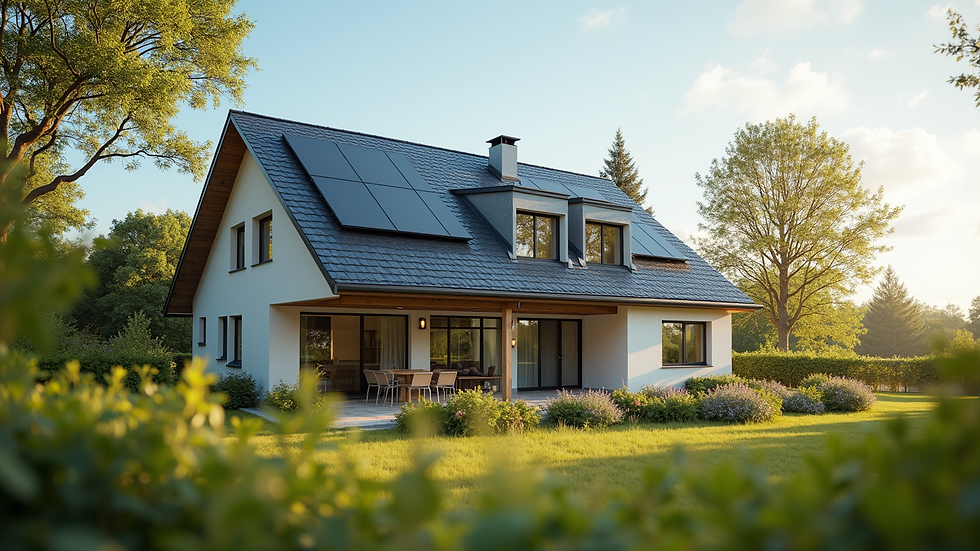
Solar Energy
Installing solar panels can drastically reduce your reliance on grid electricity. While the initial investment can be significant, many homeowners find that the long-term savings on energy bills make it worthwhile.
Benefits of Solar Energy:
Tax Incentives: Many governments offer tax credits for solar installations.
Energy Independence: Generate your own power and reduce reliance on fossil fuels.
Energy Storage Systems
Pairing solar panels with a battery storage system allows you to store excess energy for use during peak times or outages. This can enhance your energy independence and further reduce your energy costs.
Smart Home Technology
Integrating smart home technology can optimize your energy use. Smart devices can monitor and control energy consumption, allowing you to make informed decisions about your energy use.
Examples of Smart Home Devices:
Smart thermostats
Smart plugs
Energy monitoring systems
Changing Habits for Better Energy Use
In addition to upgrades, changing your daily habits can lead to significant energy savings. Here are some simple practices to adopt:
Unplug Devices When Not in Use
Many devices consume energy even when turned off. Unplug chargers, electronics, and appliances when they are not in use to prevent phantom energy loss.
Use Natural Light
Take advantage of natural light during the day. Open curtains and blinds to reduce the need for artificial lighting.
Adjust Your Thermostat
In the winter, set your thermostat to 68°F (20°C) during the day and lower it at night. In the summer, aim for 78°F (26°C) when you’re home and higher when you’re away.
Limit Hot Water Use
Reduce hot water consumption by taking shorter showers and washing clothes in cold water. Consider installing low-flow showerheads to further decrease water heating costs.
Conclusion
Transforming your home’s energy use is not only beneficial for your wallet but also for the environment. By assessing your current energy consumption, making simple upgrades, and changing daily habits, you can significantly improve your home’s energy efficiency.
Start with small changes and gradually implement more significant upgrades. Remember, every step counts. Take action today to create a more energy-efficient home and contribute to a sustainable future.
Your next step? Begin by reviewing your energy bills and conducting a simple energy audit. From there, you can prioritize which upgrades will have the most significant impact on your energy use.

Comments